index
WELCOME TO SPORTS CUSTOM UNIFORM
  • 15,000+ Uniforms Delivered
  • 1,500+ Reviews
  • Made In-House, USA
Custom Football Warm-Ups

Custom Football Full Zip Warm-Up Jackets

240 GSM brushed-back polyester with team colors, logos, personalization, and quick on-off layering.

From $44.9912 current styles
240 GSMBrushed-back 100% polyester
Full ZipQuick on and off over the uniform

12 products

Sports Custom Uniform

Pick the Layer Players Can Shed in Seconds

A football warm-up jacket lives in transition. Players arrive in it, move through mobility work, stand through special-teams periods, cool down on the sideline, and take it off when the pace rises. That is why the full zipper matters more than it first appears. Start in the grid by looking at color blocking, collar shape, sleeve treatment, and how quickly the jacket can move on and off over the rest of the uniform.

Find Your Style

Browse Full Zip Football Warm-Up Jackets

Treat the Jacket as a Removable Outer Layer

Sports Custom Uniform's current warm-up jacket collection shows 12 styles at $44.99. Product descriptions list 240 GSM brushed-back 100% polyester and support custom colors, logos, names, and other team branding. For football, the key is to treat the jacket as a removable outer layer. It should coordinate with the game uniform without becoming so tight, heavy, or complicated that players avoid using it between periods of activity.

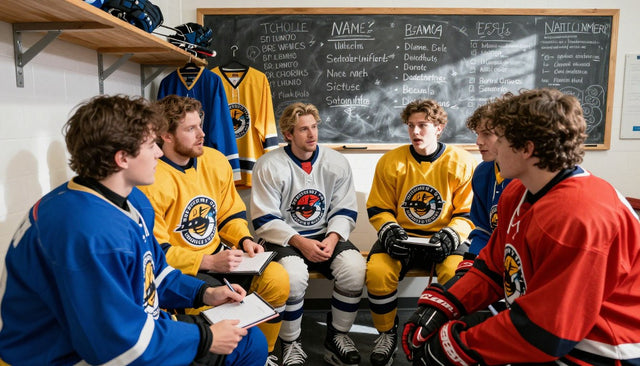
A Warm-Up Jacket Lives Between Still and Full Speed

Football has unusual temperature swings. A player can be sprinting through a drill, standing through a long sideline series, and then exploding back into the game. The warm-up layer has to work in those in-between minutes. It should hold enough warmth to be useful without feeling like a winter coat, and it should come off cleanly without disturbing pads, gloves, or the rest of the uniform.

The full zipper gives players and coaches control. Open it during movement, close it while standing, remove it quickly before play. That simple function also affects the artwork. A large front logo that crosses the zipper can look split or misaligned, while a left-chest mark, balanced panel, or controlled wordmark can stay clean whether the jacket is open or closed.

It also changes how the jacket interacts with the rest of the uniform. A centered chest graphic may be split by the zipper, so some designs work better with a left-chest mark, balanced side elements, or a graphic intentionally built around the opening. The proof should show the zipper as part of the composition, not as an obstacle discovered after production.

On the sideline, consistency is part of the effect. When the entire roster uses the same jacket system, the team looks organized even when players are in different states of dress. Coordinate the jacket with the uniform palette, but let it have its own identity so it reads as intentional outerwear rather than a jersey printed onto heavier fabric.

Fabric & Fit

240 GSM Brushed-Back Polyester Keeps the Layer Useful

Mid-Weight Warmth, Not a Weather Shell

Current warm-up jacket listings specify 240 GSM brushed-back 100% polyester. That sits in a useful middle ground: more structure and warmth than a game jersey, less casual bulk than a heavier hoodie. The brushed back improves comfort against the arms and torso, while the polyester surface supports team-color customization and repeated athletic use.

Use the fabric weight to guide the design. Large dense-looking graphics can make a mid-weight jacket feel visually heavy even when the garment itself is not. Strong team colors, clear paneling, and one or two focal marks usually give the jacket a more professional sideline presence than filling every panel with competing detail.

Brushed-back fabric also affects where this piece belongs in the equipment system. It is not a compression base layer and it is not meant to replace a weather shell for extreme conditions. It is a team warm-up and travel layer. That distinction helps coaches choose the right quantity and avoids asking one garment to solve every temperature problem on the schedule.

A Warm-Up Fit Should Move Over the Uniform

Size the jacket for what will be underneath it. A coach wearing a polo and a player wearing a compression layer, jersey, and light equipment may need different room even if their chest measurements look similar. Use the live size chart and test arm raise, shoulder rotation, and zipper movement over the intended layers. The jacket should close without pulling and open without catching.

Consider coaches, managers, and injured players too. They may wear the jacket longer than the starting roster and may layer differently. A team order is easier to manage when the size collection form identifies the wearer's role and expected layers, not just a single size field with no context.

Compare

Full Zip Jacket, Hoodie, or Compression Shirt: Which Layer Works?

These pieces can all appear around practice and game day, but they belong at different depths in the layering system.

LayerPrimary JobBest ForWhat Changes
Full Zip Warm-Up Jacket
This collection
Removable athletic outer layer Pregame, sidelines, coaches, travel 240 GSM brushed-back fabric and full-zip control
Pullover Hoodie Warmer casual outer layer Travel, campus, cold sidelines 270 GSM brushed-back warmth and kangaroo pocket
Compression Shirt Close performance base layer Under pads and game jersey Low bulk, dry-fit feel, flat construction
Fan Jersey Supporter game-day top Parents, alumni, staff, students Team identity without equipment layering
Track Pants Lower-body warm-up layer Pregame, travel, bench Loose outer fit for legs and easy movement

Choose the full zip jacket when fast temperature control and sideline presentation matter. Choose a hoodie when casual warmth is the priority. Choose a compression shirt when the layer needs to disappear under the game uniform. If the program needs more than one, keep the palette consistent and let the function change.

Design Tools

Review the Jacket Open and Closed

Ask for a proof that shows both states. Check the chest logo with the zipper closed, then confirm it still looks intentional when the jacket is open. Review sleeve marks at the elbow bend, back artwork at shoulder width, and any player name placement that may disappear under the collar. A full zip garment should not have only one good viewing angle.

Warm-Up Jacket Design

Show the zipper as part of the composition.

Build Your Warm-Up Jacket →

Layering and Sizing

Size for what will be worn underneath.

Check Layering and Football Sizing →
FAQ

Questions to Answer Before the Jacket Order Closes

Still have a question? Call, WhatsApp, or email us — details at the bottom of this page.

Build the Warm-Up Order Into the Season Calendar

Warm-up gear is easiest to approve when the game uniform colors and marks are already settled. Use that approved palette, decide who receives a jacket, collect sizes based on the intended underlayers, then leave time for proofing, production, and shipping. Aim to have the jackets before the first cold-weather game or major travel date, not after players have already built their own mismatched sideline layers.

For fall programs, weather can change faster than the uniform plan. Approve the warm-up design once the primary jersey colors are final, but do not wait for the first cold forecast to place the order. A jacket is most useful when it is already part of the routine for travel, pregame movement, and long sideline stretches, not when it arrives after the coldest part of the schedule.

Get Your Free Quote →
Keep Exploring

Coordinate full zip jackets with Pullover Hoodies, Track Pants, Pro Football Jerseys, Integrated Pants, Compression Shirts, and Duffle Bags. Reuse the team palette and core marks, then adjust placement for each function. A consistent sideline system can look professional without making the jacket, hoodie, and jersey visually identical.

Need Help Building the Sideline Layer?

Send the team colors, logo, uniform reference, expected wearers, quantity, and the date you need the jackets. Tell the design team whether players will wear them over jerseys, base layers, or casual clothes. That one detail can change both sizing guidance and the amount of artwork that makes sense on the garment.