

Cart
1
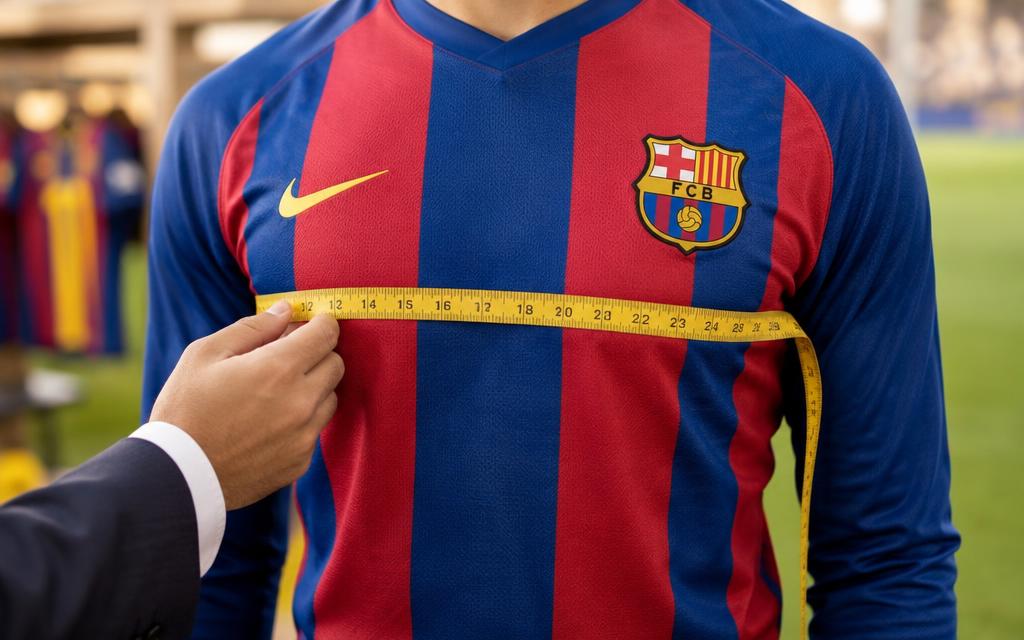
Measure the chest around the fullest part, under the arms, and choose the size that matches that number. A football shirt, also called a football jersey, should be sized by chest measurement, not by guess. Clean shirts and pants also keep their fit and print for far longer.

Many fans have bought a jersey that felt wrong on the first day. Then the first wash shrinks the chest, cracks the numbers, or leaves a grass stain that will not lift. A set-in stain is a stain that has dried into the fibers and no longer lifts with a single wash.
Football shirt care covers sizing, washing, stains, and drying. It also explains grass stains, mud stains, and washing football gear like pads and helmets. Keep the tape measure and the care label with the jersey so both are at hand after the first wash.
Key Takeaways
- Measure chest circumference around the fullest part, under the arms.
- Pick the smaller size for a tighter fit, or the next size up for a looser fit.
- Wash football shirts inside out on a cold cycle.
- Blot stains with cold water instead of rubbing them.
- Let mud dry fully before brushing it away.
- Air dry shirts flat, away from sun and heat.
Measure Before You Buy
Wrap a soft tape around the fullest part of the chest, under the arms. That single number gives you the NFL jersey size you need. To measure for an NFL jersey size, keep the tape snug and level, then match the number to the size chart.
Many buyers order from a chart without checking their own numbers first. Common uniform sizing mistakes often start right there. Take real measurements before you order, not a number from memory.

Chest Measurement for NFL Jerseys
Chest circumference sets the size, so start there. Good jersey fit begins with a careful, level measurement. Follow these four steps.
- Stand straight with your arms relaxed at your sides.
- Wrap the tape around the fullest part of the chest, under the arms.
- Keep the tape level and snug, but not tight.
- Write the number down and match it to the size chart.
Choosing Between Two Sizes
NFL jerseys generally fit a little larger, but the jersey type changes how much. If the measurement falls between two sizes, choose the smaller size for a tighter fit. Choose the next size up for a looser fit. A custom football jersey guide explains how slim-fit and regular-fit cuts change comfort and movement.
Measure once, then buy the size the tape gives you, not the size you hope for.
Women's Cut and Layering
A women's football jersey has a slender, tapered cut that sits closer to the body. Layers take up room, so size up if you plan to wear layers under a jersey. Measure over the shirt you plan to wear under the jersey to get the realistic number.
Washing a Football Shirt Without Ruining the Print
Turn the shirt inside out and place it in a mesh laundry bag before it goes into the machine. To wash football shirts with printing, keep the water cold and the spin slow. Most football shirts should be machine-washed at 30°C or below, and the table below shows settings by fabric type.

| Fabric type | Water temperature | Cycle | Detergent | Spin |
|---|---|---|---|---|
| Newer printed shirt | 30°C or below | Cold, delicate setting | Mild detergent | Reduced |
| Vintage or heavy print shirt | Cold water | Cold cycle, gentle setting | Mild detergent, small amount | Lowest available |
| Hand wash | No hotter than 30°C | Hand wash, 5-10 minutes | Mild detergent | Press out, no wringing |
Machine Washing Steps
To wash football shirts in a washing machine, pick a cold cycle with a gentle setting. Reduce spin speed when the machine allows, since hard spinning stretches the neck and rubs the print. Keep shirts away from jeans, towels, and zippers that can snag the fabric.
Skip fabric softener. It can coat the fibers, cut back moisture wicking, and wear down the print over time. Many basketball uniform care guides recommend the same cold water and inside-out routine.
Hand Washing a Football Shirt
Hand wash a football shirt in water no hotter than 30°C for 5 to 10 minutes. Use mild detergent, and rinse until no soap remains. Press out the water without wringing, since twisting cracks prints and stretches seams.
Vintage and Retro Shirts
Older prints can crack or peel more easily than newer ones. Test a hidden spot first with a drop of detergent. Older shirts and shirts with heavy print details need colder water than newer ones.
Pre-Treating Grass and Sweat Stains
Blot the stain with a cold, damp cloth instead of rubbing it. To remove stains from white football shirts, treat each mark before the wash. Grass stains and sweat stains lift best when you pre-treat them.
Work through these four steps on each mark.
- Dampen the stain with cold water, not warm.
- Apply stain remover or a little gentle detergent, then scrub with a soft brush.
- Start a vinegar soak for sweat or grass: 20 minutes in 1 cup vinegar per 1 gallon of water, then rinse.
- White shirts may need a longer soak or an oxygen-based treatment.
Printed graphics made from vector artwork keep sharp edges, so a soft brush helps protect them. A faint mark can turn permanent once the dryer runs. Check the stain before the dryer, because heat sets what remains.
Removing Mud Stains
Let the mud dry fully before you brush anything away. To get mud out of clothes that have already been washed, treat the stain again and keep it out of the dryer. A set-in mud mark often needs more than one round, especially on white fabric.
Let the Mud Dry First
Brush off the dried mud with a soft brush or a dull knife. Scraping wet mud can grind the dirt deeper into the fibers. Dry mud lifts away in flakes, which makes the next step easier.
Baking Soda and Vinegar Treatments
Mix a baking soda paste with 3 parts baking soda to 1 part water. Spread it on the stain and leave it for at least 30 minutes. Then mix 1 part white vinegar with 2 parts water, dab it on the stain for about 15 minutes, and rinse well before washing.
When the Stain Stays After Washing
If mud remains after washing, do not dry the garment. Keep mud-stained clothes out of the dryer until the mark is gone. White fabric can hold mud longer, so expect more than one round.
Repeat the cycle until the stain is gone, since one wash rarely finishes a set-in mud mark.
Drying a Jersey Safely
Lay the shirt flat on a towel or drying rack, away from sun and heat. Air dry jersey fabric when you can, since heat can fade colors and crack prints. Pick one of these three options.
- Lay it flat on a towel or drying rack. Risk: none, though it takes longer.
- Hang it on a wide padded or flat hanger. Risk: a narrow hanger can stretch the shoulders.
- Tumble dryer. Risk: heat can fade colors, crack prints, lift badges, and shrink fabric.

Radiators carry the same heat risk, so skip them. Keep the shirt out of direct sunlight while it dries. Team warm-up jacket care follows a similar rule, with air-drying after a cool wash. A flat hanger keeps the shoulders from stretching when the shirt is wet.
Sizing Other Football Gear
Use a flexible tape and measure the head about 1 inch above the eyebrows. Shoulder pads need a size that matches your shoulder width, measured from one acromion (the bony tip at the top of the shoulder) to the other. Each piece of football gear has its own measurement, so check the chart for every item.
| Gear | Measurement | Unit | Fit rule |
|---|---|---|---|
| Helmet | Head circumference, about 1 inch above the eyebrows | Inches | Match the head size on the chart |
| Shoulder pads | Shoulder width, acromion to acromion; chest at widest part | Inches | Prioritize shoulder width |
| Girdle | Waist | Inches | Match the waist size on the chart |
| Football pants | Waist | Inches | Match the waist size for integrated pants |
Helmets and Shoulder Pads
A helmet should feel snug, with no rocking when you shake your head. Many hockey uniform sizing guides allow room for padding, and that idea matters for football pads too.

Shoulder width matters more than chest size, since pads past the shoulder joint restrict movement.
Football Pants and Girdles
Measure your waist in inches at the natural waistline. Match the number to the chart for girdles and integrated pants.
Keeping Football Gear Clean Between Games
Dry the pads fully before they go into a bag. Clean football pads start with air drying after every practice and game. Air dry gear the same way, even when it looks dry.

Sanitizing Pads After Each Use
Use a disinfectant spray on shells and interiors, or a mix of water and vinegar. Let the surface dry fully before you pack the gear away.
Wiping the shells only works when the surface is dry first.
Storing Gear to Prevent Odor
Small mesh pouches can keep clean gear apart from dirty gear, as in a travel gear bag. Air out bags after each use and wipe the pouch interior. Store gear somewhere cool and dry with good airflow.
Conclusion
A correct chest measurement and a gentle wash keep a jersey fitting and printed for the season. Measure first, since good sizing starts with the chest number and not a guess. Clean gear and careful jersey care also save money on replacements.
Treat stains early and keep clean gear out of heat. Wash after every game and let the shirt air dry flat the same day.
FAQ
How much bigger should an NFL jersey be for layers?
Size up one size when you plan to wear layers under the jersey. Layers add bulk across the chest and arms, so the shirt needs extra room to move. Measure over the layers you will wear to find the real chest number. The next size up keeps the fit comfortable without making the jersey look baggy.
Can I put a football shirt in the dryer?
No, air drying is the safer choice for a football shirt. Dryer heat can fade colors, crack the print, lift badges, and shrink the fabric. Lay the shirt flat on a towel or hang it on a wide padded hanger instead. Keep it out of direct sunlight while it dries, since sun can also fade the colors.
Is fabric softener safe on football shirts?
No, skip fabric softener on football shirts. It leaves a film on the fibers that can dull the print and affect sweat control. Use a mild detergent instead. Rinse until no soap remains so the shirt feels fresh and the graphics stay sharp.
What temperature should I wash a football shirt at?
Wash most football shirts at 30°C or below, on a cold or delicate cycle. Hand washing works too, using water no hotter than 30°C for 5 to 10 minutes. Older shirts and heavy prints may need the coldest water you can use. Check the care label first, since it lists the limit for each shirt.
How long should mud soak for removal?
Soak mud stains in a baking soda paste for at least 30 minutes. Then dab a solution of 1 part white vinegar to 2 parts water on the stain for about 15 minutes. Rinse the shirt well before washing it. If the mark stays, repeat the process and keep the garment out of the dryer.


