

Cart
0
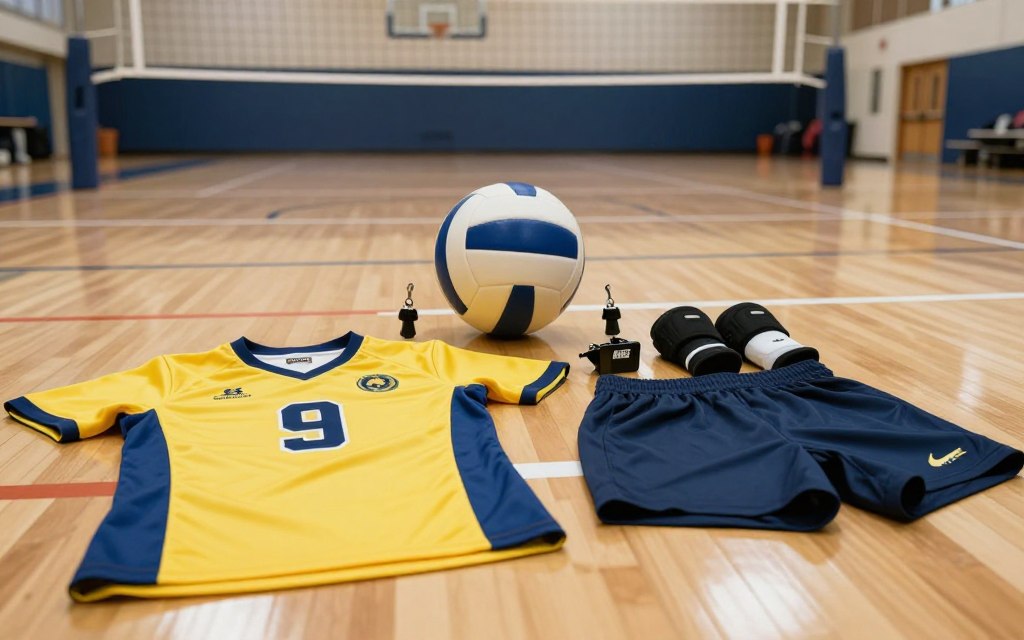
Have you ever wondered how the right apparel can impact a team's performance on the court? Understanding the legal requirements for player attire is crucial for coaches and schools alike. The NFHS outlines specific guidelines that ensure fairness and uniformity in high school competitions.
This guide delves into the latest uniform standards set by the NFHS, particularly focusing on the 2025-26 and 2026-27 updates. Coaches will discover essential details, such as the requirement for matching libero bottoms and the new allowance for varied colors in the following season. Additionally, the recent announcement regarding the designation of two liberos per set adds another layer of complexity to roster planning.
By familiarizing themselves with these uniform standards, coaches can better prepare their teams for matches, ensuring compliance and enhancing overall performance. Let's explore the essential elements of player attire, including colors, numbers, logos, and more.

Key Takeaways
- The NFHS sets clear guidelines for player attire in high school competitions.
- Matching libero bottoms are required for the 2025-26 season.
- The 2026-27 season allows any color for libero bottoms.
- Teams can designate up to two liberos per set, but only one can play at a time.
- Understanding these rules is vital for effective roster planning and uniform ordering.
Understanding NFHS Volleyball Uniform Rules and Their Impact
Uniform standards play a vital role in maintaining fairness and consistency on the court. Coaches and players must be aware of the legal requirements set forth by the NFHS. These guidelines ensure that all team members present a unified appearance, which can enhance team spirit and performance.
Under the current regulations, uniform tops, excluding the libero top, must be like-colored. This requirement extends to the bottoms as well, ensuring that all players appear cohesive. Additionally, uniforms must be worn as intended by the manufacturer, free from hard items like buttons and zippers that could pose safety risks.
Here are some key points to remember:
| Requirement | Description |
|---|---|
| Like-Colored Tops and Bottoms | All players must wear tops and bottoms that match in color. |
| Manufacturer's Intent | Uniforms should be worn as designed, without alterations. |
| Visible Logos | Logos or school names on undergarments must not exceed 2¼ inches. |
| American Flag | One flag per item, not exceeding 2 by 3 inches. |
| Midriff Coverage | Uniform tops must cover the midriff and be tucked in or hang below the waistband. |
Failure to comply with these standards can lead to penalties. For instance, a team starting with fewer than six legally uniformed players may face a loss of rally or point. Understanding these details is essential for effective roster management and maintaining the integrity of the game.

Detailed Breakdown of Uniform Components
The components of a team's attire are crucial for ensuring a cohesive appearance on the court. This section will explore the various elements of player uniforms, including tops, bottoms, and undergarments. Understanding these components helps coaches maintain compliance and promote team unity.
Teammates may wear different bottom styles, such as shorts, spandex, pants, or skirts, while ensuring that the colors must match the team standard. Visible undergarments must be unadorned and single-colored, closely resembling the predominant color of the uniform top or bottom.
Each player, including the libero, must have a unique number on their uniform top. These numbers must meet specific guidelines: at least 4 inches tall on the front and 6 inches tall on the back. Additionally, the number's width must be at least ¾ inch, with contrasting borders not exceeding ½ inch.
The libero uniform top must clearly contrast with the team's predominant color, excluding trim. For the 2025-26 season, libero bottoms must match the team bottoms. However, starting in 2026-27, libero bottoms may be any color while still requiring a contrasting top.
| Component | Requirement |
|---|---|
| Uniform Tops | Must match in color for all players. |
| Uniform Bottoms | May vary in style but must match team colors. |
| Visible Undergarments | Must be single-colored and match the predominant color. |
| Player Numbers | Unique, with specific height and width requirements. |
| Libero Uniform | Top must contrast with team color; bottoms match for 2025-26. |

NFHS volleyball uniform rules for Coaches: Ordering and Compliance Best Practices
Understanding the nuances of uniform standards can greatly affect a team's readiness for competition. Coaches must be aware of variances that state associations may permit, such as commemorative patches up to 4 square inches. These small details can make a significant difference in compliance.
As of February 5, 2026, teams can designate up to two liberos per set, although only one libero may be in the game at a time. This flexibility creates more opportunities for student-athletes. Coaches should familiarize themselves with Rule 6-4-2, which allows zero, one, or two designated liberos on the lineup sheet before each set.
Pre-match inspections are essential for ensuring compliance. Officials will check for readable numbers, the obvious contrast of the libero uniform top, and legal undergarments. Additionally, teams must ensure that no audio or video devices are present during play.
Coaches should also be aware of the consequences of illegal uniforms, which can include removal from the set and administrative penalties. Understanding these guidelines is vital for maintaining the integrity of the game.

Conclusion
In conclusion, schools must verify the NFHS rule year and state-association guidance before approving any team attire production. Coaches should ensure that the libero top contrasts clearly with the team colors, while remembering that libero bottoms must match the team bottoms for the 2025-26 season.
Starting in 2026-27, teams may select any color for libero bottoms and designate two liberos, though only one may be on the court at a time. A final inspection should confirm that all players have unique, readable numbers, legal undergarments, and permitted logos, while ensuring no audio or video devices are present.
By addressing uniform issues before matches, teams can minimize administrative delays and avoid penalties related to unsporting conduct or loss of points.
FAQ
What are the key components of a volleyball uniform?
A volleyball uniform typically includes a team top, bottoms, and undergarments. The design must be consistent across all players to promote team unity.
What are the specific guidelines for libero uniforms?
The libero must wear a distinct top that contrasts with the rest of the team. This ensures that officials and players can easily identify the libero during play.
Can a team have more than one libero?
Yes, a team may designate two liberos, but only one can be on the court at any given time. Each libero must wear a uniform that complies with the established guidelines.
How do audio and video devices affect uniform compliance?
Players are prohibited from wearing audio or video devices during matches. All uniforms must match the team's designated colors to avoid confusion.
What should coaches do if a player's uniform does not comply?
Coaches should ensure all players' uniforms meet the required standards before the match. Non-compliance can lead to penalties or disqualification.
Are there any specific color requirements for team uniforms?
Yes, the team colors must be consistent, and the libero's uniform must contrast with the team's colors to avoid confusion during play.
How often do uniform rules change?
Uniform rules may be updated periodically, so it is essential for coaches and teams to stay informed about any changes, especially with upcoming seasons.


