

Cart
0
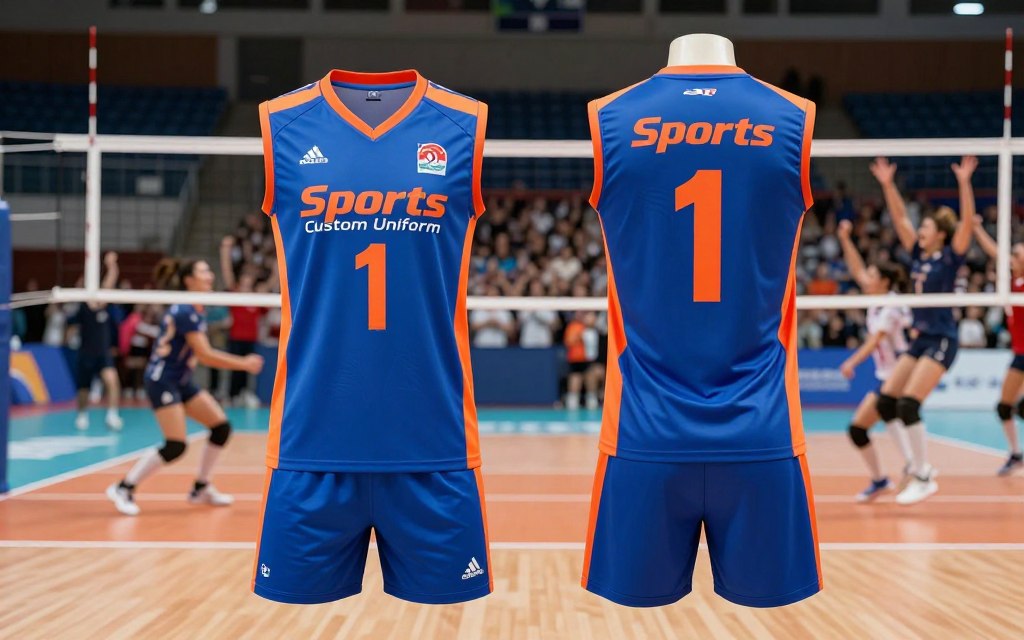
Have you ever noticed a player on the court wearing a jersey that stands out from the rest? This unique volleyball uniform is not just for style; it serves a vital purpose in the game. The player in a contrasting shirt is known as the libero, a specialized role that has become essential in modern volleyball.
The libero's distinct color helps both referees and teammates quickly identify their position. Introduced internationally in 1998, this role gained prominence at the 2000 Sydney Olympics. A recent example is Team USA’s Justine Wong-Orantes, who wore a white jersey while her teammates donned navy blue at the Paris Olympics.
Much like goalkeepers in soccer and ice hockey, who also wear different jerseys, the libero's uniform signifies a unique set of rules and responsibilities. Understanding this visual cue can enhance your appreciation of the game and its strategies.

Key Takeaways
- The libero wears a contrasting jersey for easy identification.
- This position was introduced internationally in 1998.
- Libero players have specific rules governing their play.
- Justine Wong-Orantes showcased this role at the Paris Olympics.
- The libero's role is similar to that of goalkeepers in other sports.
Understanding the Libero Role: The Player Behind the Different Jersey
A player donning a contrasting jersey often signals a special role on the court. The term libero, meaning "free" in Italian, was introduced by the FIVB on April 20, 1998. This role gained prominence during the 2000 Sydney Games, revolutionizing modern volleyball.
As a defensive specialist, the libero excels in keeping the ball alive after powerful attacks. Typically, this player replaces a back-row teammate, allowing taller players to focus on offensive plays. The libero's unique position promotes inclusivity, as seen in the case of Kirstin Higareda, a 5-foot-4 pioneer who highlighted opportunities for shorter athletes.
International teams are allowed six substitutions per set, but a libero's replacements do not count against this limit. However, it’s important to note that in international play, liberos cannot serve, block, spike, or rotate into front-row positions.
"The libero role created opportunities for shorter players."
This role also extends to sitting volleyball, showcasing its broader reach in the sport.

Why is one volleyball uniform different: Unpacking the Libero’s Rules
In the fast-paced world of volleyball, specific roles are highlighted by distinct uniforms. The libero, often wearing a contrasting jersey, plays a crucial part in the team's dynamics. Understanding the rules surrounding this position can enhance appreciation for the game.
Substitution Rules and Court Positioning
Libero replacements must occur while the ball is out of play and within the designated replacement zone. Importantly, at least one point must be played before a libero can return for another player. Only the player initially replaced by the libero may take their place when exiting the court.
Unique Restrictions and Play Limitations
In international play, liberos face specific restrictions. They cannot serve, block, spike, or rotate into front-row positions. However, they may set the ball, but doing so from closer than three meters behind the net means the team loses the right to spike. Additionally, NCAA college volleyball has introduced a two-libero system, demonstrating variations in rules across different levels of play.

The Impact on Team Strategy and Game Dynamics
In volleyball, the presence of a player in a distinct shirt reveals their specialized function. The libero plays a vital role in enhancing defensive coverage and facilitating longer rallies. This player is primarily responsible for serve reception, digging, passing, and defensive saves, ensuring the team remains competitive.
While the libero cannot attack above the net, they support the offense by accurately passing to the setter. This strategic play helps organize offensive actions, keeping the ball in play during intense rallies. By making defensive saves, the libero contributes to longer and more elaborate exchanges on the court.

Additionally, the libero's ability to substitute freely allows taller players to focus on blocking and attacking without the burden of back-row responsibilities. As noted by Kirstin Higareda, a 5-foot-4 libero pioneer, this role expands opportunities for shorter athletes, reshaping team strategies.
"The libero's role creates opportunities for shorter players."
Much like the designated hitter in Major League Baseball, the libero focuses on defensive tasks, enhancing the team's overall performance.
Conclusion
The distinct jersey worn by a player on the court signifies a crucial role within the team. This player, known as the libero, is essential for effective rotations and substitutions. The contrasting color of the jersey helps referees and teammates easily identify the libero during the game.
As a back-row specialist, the libero has specific rules that limit their ability to serve, block, or spike. However, their skills in passing, digging, and making defensive saves allow them to extend rallies and support the setter’s offensive plays. This unique role was officially introduced by the FIVB on April 20, 1998, before making its Olympic debut in Sydney 2000.
Ultimately, the different jersey not only represents a visible identity but also highlights a strategic position within modern volleyball.
FAQ
What is the role of the libero in a volleyball team?
The libero is a defensive specialist who wears a different colored jersey. This player focuses on receiving serves and digging attacks, providing crucial support in the back row.
Why does the libero wear a different color jersey?
The distinct color helps referees, players, and spectators easily identify the libero on the court. This differentiation is important due to the unique rules governing their play.
Can the libero attack the ball?
No, the libero cannot attack the ball above the net height. Their primary responsibility is defensive play, which includes passing and digging.
How many substitutions can a libero make?
The libero can substitute in and out of the game multiple times without counting against the team's total substitutions. This allows for strategic defensive changes throughout the match.
What are the limitations of the libero's play?
The libero cannot serve, block, or attempt to attack the ball above the net. These restrictions are designed to maintain the specialized role of the libero on the team.


