

Cart
0
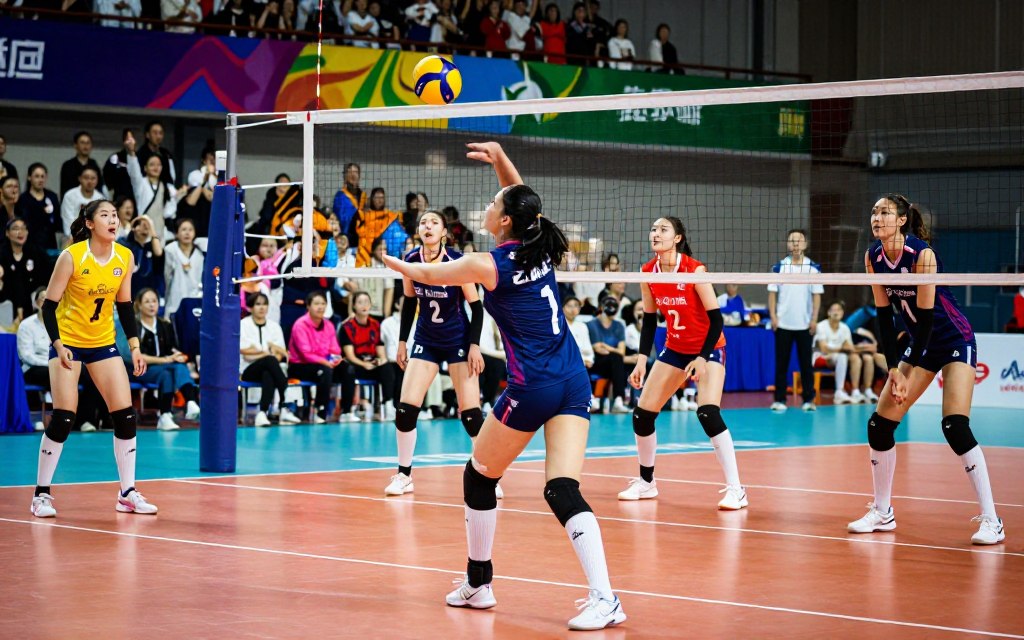
Have you ever wondered why the clothing choices of female athletes spark such intense debate? The recent fine imposed on the Norwegian beach handball team for wearing shorts instead of bikini bottoms has reignited discussions about attire in sports. This incident is just one example of how uniform regulations can overshadow athletic performance.
As more athletes like Serena Williams and the German gymnastics team challenge traditional norms, the conversation around competition clothing is evolving. These athletes are not just focused on their performance; they also seek comfort and self-expression through their attire.
This article will explore the broader implications of uniform debates, particularly for women athletes. It will highlight how these discussions impact teams, young girls, and the public perception of female athletes in various sports. Join us as we dive into this important issue that resonates around the world.

Key Takeaways
- The Norwegian team’s fine reflects ongoing debates about women athletes' clothing choices.
- Serena Williams's attire at major events has challenged traditional uniform expectations.
- The 2024 Paris Olympics introduced more options for female beach volleyball players.
- Uniform regulations often prioritize appearance over performance in women's sports.
- These discussions influence young girls' views on sports and self-expression.
Background and Evolution of Women's Sports Uniforms
From modest beginnings to modern expressions, women's sports attire has a rich history. The journey of uniforms reflects not only the evolution of the sport but also societal changes over the years. Beach volleyball, which became an Olympic sport in 1996, played a significant role in this transformation. Athletes like Misty May-Treanor and Kerri Walsh Jennings popularized the sport, bringing attention to the attire worn during competitions.
Beach volleyball originated in warm climates such as Hawaii and Southern California. These locations influenced the use of swimwear-like designs, which are still prevalent today. The FIVB has expanded uniform choices, allowing for one-piece outfits, short-sleeve tops, and full-length leggings. This change supports athletes with varying cultural and religious needs.
In contrast, men's beach volleyball uniforms typically consist of tank tops and shorts that are limited in length. This disparity highlights the different standards applied within the same sport. Furthermore, in gymnastics, athletes often train in shorts despite competing in leotards, illustrating the ongoing conversation about attire in women's sports.
| Year | Event | Uniform Changes |
|---|---|---|
| 1996 | Beach Volleyball Olympic Debut | Introduction of bikini-style uniforms |
| 2012 | London Olympics | Expanded options for cultural attire |
| 2011 | Badminton Dress Code Controversy | Criticism of mandatory skirts for women |

Examining the women's volleyball uniform controversy
The debate surrounding the attire of female athletes continues to ignite discussions across the sports world. Recent changes in regulations have prompted athletes to voice their preferences for comfort and performance.
Key aspects of this controversy include:
- The FIVB's previous restriction on women’s beach volleyball bottoms, which could not exceed 7 centimeters on each side.
- The 2024 Paris Olympics, which removed this restriction, allowing for leggings and shorts.
- Female athletes now have options like one-piece uniforms, short-sleeve tops, and various lengths of shorts.
- Doaa Elghobashy’s choice to wear a hijab illustrates how policy shifts can accommodate cultural identities.
- Jennifer Kessy noted that sand can become trapped in one-piece outfits, making bikinis a preferred choice for some players.
These changes reflect a growing recognition of the need for uniforms that support both safety and personal expression. However, they also highlight the ongoing scrutiny of women's bodies in sports.

Athlete Reactions and Media Coverage
The reactions of athletes to recent uniform regulations reveal deeper sentiments about their rights and comfort. This issue has prompted responses from notable figures in sports.
Notable Responses from Athletes and Teams
After the Norwegian beach handball team faced a fine for wearing shorts, Abid Raja called the penalty "completely ridiculous." In a show of support, singer P!nk offered to pay the fine. Similarly, Serena Williams made headlines by wearing a black catsuit at the 2018 French Open, emphasizing comfort over tradition.
Media Framing and Public Social Media Reactions
Social media has amplified discussions about uniforms. The choice of shorts by France and Brazil for beach volleyball competitors at the 2024 Paris Olympics sparked debates. Meanwhile, Egypt's use of hijab uniforms illustrates the diverse needs of athletes.
Impact on Performance, Safety, and Image
Uniform choices directly affect performance and safety. Jennifer Kessy noted that sand can become trapped in one-piece outfits, leading to discomfort. Furthermore, media coverage shapes how viewers perceive women athletes and their bodies, influencing young girls' participation in sports.
"Uniform debates can confuse women and girls who watch sports coverage." - Allison Sandmeyer-Graves

Conclusion
The ongoing dialogue about attire in sports reflects a significant shift in how athletes express themselves. Evidence from recent events shows that female athletes are increasingly challenging clothing standards that do not consider their comfort and identity.
Beach volleyball has evolved from strict bikini requirements to more inclusive options like shorts and leggings. This transition is vital, as it allows athletes to choose uniforms that support their performance and safety.
Moreover, the scrutiny faced by women’s bodies compared to men’s highlights the need for change. Greater involvement of athletes in uniform decisions can lead to a future focused on choice rather than outdated norms.
Ultimately, flexible regulations can ensure fairness while allowing athletes to compete confidently. This is essential not just for the athletes today but also for inspiring the next generation of girls in sports.
FAQ
What is the main issue surrounding women's sports uniforms?
The primary concern involves the appropriateness and comfort of uniforms, particularly regarding how they affect performance and athlete well-being. Many athletes advocate for more practical options that align with their needs.
How have uniform standards changed over the years?
Over time, there has been a shift towards more inclusive and functional designs. Organizations are increasingly recognizing the importance of comfort and personal choice in athletic wear.
What are some notable athlete reactions to uniform regulations?
Several athletes have voiced their opinions, with some expressing dissatisfaction with current standards. They emphasize the need for uniforms that allow for better movement and reflect their personal style.
How does media coverage influence public perception of uniform issues?
Media framing plays a significant role in shaping how the public views these controversies. Coverage can highlight the athletes' perspectives and spark broader discussions about gender equality in sports.
What impact do uniforms have on athlete performance?
The design and fit of uniforms can significantly affect an athlete's comfort and confidence, which in turn can influence their performance during competitions.


